
 See Our Latest Article on HelloNation
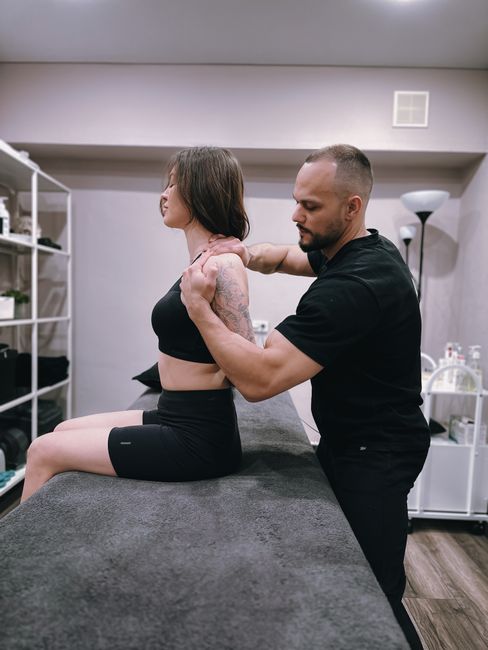
A little soreness after a chiropractic adjustment can be normal, especially after a first visit or a treatment involving muscles and joints that have not been moved in that way recently. Mild aching, stiffness, tiredness, or a temporary increase in discomfort commonly improves within about 24 hours, although some people may notice symptoms for a day or two.
Soreness should be mild and gradually improve. Severe, worsening, or unusual symptoms are not something to ignore.
Why can an adjustment cause soreness?
A chiropractic adjustment uses controlled movement of a joint, often along with stretching, pressure, or soft-tissue techniques. The surrounding muscles, ligaments, and nervous system may respond to that change in movement.
Temporary soreness may be more likely when:
- The area was already irritated or inflamed
- The muscles were tight or guarding movement
- The treatment involved a new technique
- The person has not been physically active recently
- Several areas were treated during one visit
- The body was already under strain from lifting, yardwork, driving, or prolonged sitting
The feeling can resemble mild muscle soreness after unfamiliar exercise. It may occur in the treated area or nearby muscles and can include stiffness, tenderness, fatigue, or a mild headache.
Soreness does not necessarily mean the adjustment caused damage. It also does not prove that the treatment was effective. The response should be judged by the overall pattern: whether symptoms remain mild, whether movement is improving, and whether the discomfort settles rather than intensifies.
How long should soreness last?
For many people, post-adjustment soreness fades within several hours or by the next day. A mild ache may occasionally last up to 48 hours, particularly after treatment of a sensitive or previously painful area.
A useful general pattern is:
- Expected: Mild soreness, stiffness, tiredness, or brief discomfort that begins soon after treatment and steadily improves
- Worth discussing: Symptoms that remain unchanged after a day or two, interfere with normal activities, or happen after every treatment
- Concerning: Severe pain, rapidly worsening symptoms, new weakness, significant numbness, or other unusual changes
People respond differently. A first adjustment may feel different from later visits, and the response can vary depending on sleep, stress, physical activity, hydration, and the condition being treated.
What can help mild soreness at home?
Gentle movement is often more comfortable than staying completely still. Short walks, easy range-of-motion exercises, and changing positions regularly may help prevent stiffness.
Other practical steps include:
- Resting from strenuous lifting or intense exercise for the remainder of the day
- Using a cool pack briefly if the area feels freshly irritated
- Using gentle warmth later if muscle tightness is the main problem
- Drinking fluids normally and getting adequate sleep
- Following any individualized aftercare instructions provided during the visit
- Avoiding forceful stretching or repeated self-manipulation of the painful area
Medication decisions depend on a person’s health history. Someone with kidney disease, stomach ulcers, blood-thinning medication, medication allergies, pregnancy, or other medical considerations should not assume that an over-the-counter pain reliever is appropriate.
In a community such as Saugerties, seasonal routines may also affect how the body feels after treatment. Snow clearing, home maintenance, gardening, hiking, and long periods spent indoors during colder weather can all add muscle strain that may be mistaken for an adjustment reaction.
Is pain during the adjustment normal?
A brief sense of pressure, stretching, or unfamiliar movement can occur. Sharp, intense, or frightening pain during the technique should be reported immediately.
An adjustment should not be treated as something a person must endure to receive a benefit. The amount of force, the position used, and the technique can often be modified. Clear communication matters, especially if the person has osteoporosis, a history of fractures, inflammatory arthritis, recent surgery, a bleeding disorder, cancer affecting the bones, or another condition that may increase injury risk.
Before treatment, it is helpful to provide a complete health history, including recent accidents, surgeries, diagnoses, medications, and symptoms such as unexplained weight loss, fever, or progressive weakness.
When is soreness a warning sign?
Seek urgent medical care for symptoms such as:
- New or worsening weakness in an arm or leg
- Loss of coordination, difficulty walking, or trouble using a hand
- Loss of bladder or bowel control
- Numbness that is spreading or becoming severe
- Severe headache, fainting, confusion, vision changes, or trouble speaking
- Chest pain, shortness of breath, or sudden severe dizziness
- Severe neck pain following an adjustment, particularly when accompanied by neurological symptoms
These symptoms are not typical post-treatment soreness. Rare but serious complications have been reported after spinal manipulation, and symptoms involving the nervous system require prompt evaluation rather than observation at home.
Does soreness mean the treatment worked?
No. Soreness is not a reliable measure of effectiveness. Some people feel better immediately, while others notice gradual changes or no meaningful improvement. A more useful measure is whether pain, movement, sleep, walking, lifting, or daily activities improve over time.
Repeated soreness after every visit deserves a careful review of the treatment plan. The technique, treatment area, frequency, or underlying diagnosis may need to be reconsidered. Persistent pain may also have causes that require a different type of medical evaluation, such as nerve compression, fracture, infection, inflammatory disease, or another condition unrelated to joint movement.
What should a person do after an adjustment?
If the soreness is mild and improving, normal light activity is usually reasonable. Keep track of when the discomfort began, where it is located, how strong it feels, and whether it is getting better or worse.
If symptoms last longer than expected, return repeatedly, or limit ordinary activities, provide that information before any further treatment. A clear description helps distinguish temporary treatment soreness from an underlying problem that needs additional assessment.
For local residents managing physically demanding household tasks, it may also help to avoid combining an adjustment with heavy lifting, prolonged shoveling, or an unusually strenuous project on the same day. Gradual activity is generally easier to monitor than pushing through significant discomfort.
Mild, short-lived soreness can occur after a chiropractic adjustment, but it should trend toward improvement. Pain that is severe, persistent, progressive, or accompanied by neurological symptoms deserves medical attention.
