
 See Our Latest Article on HelloNation
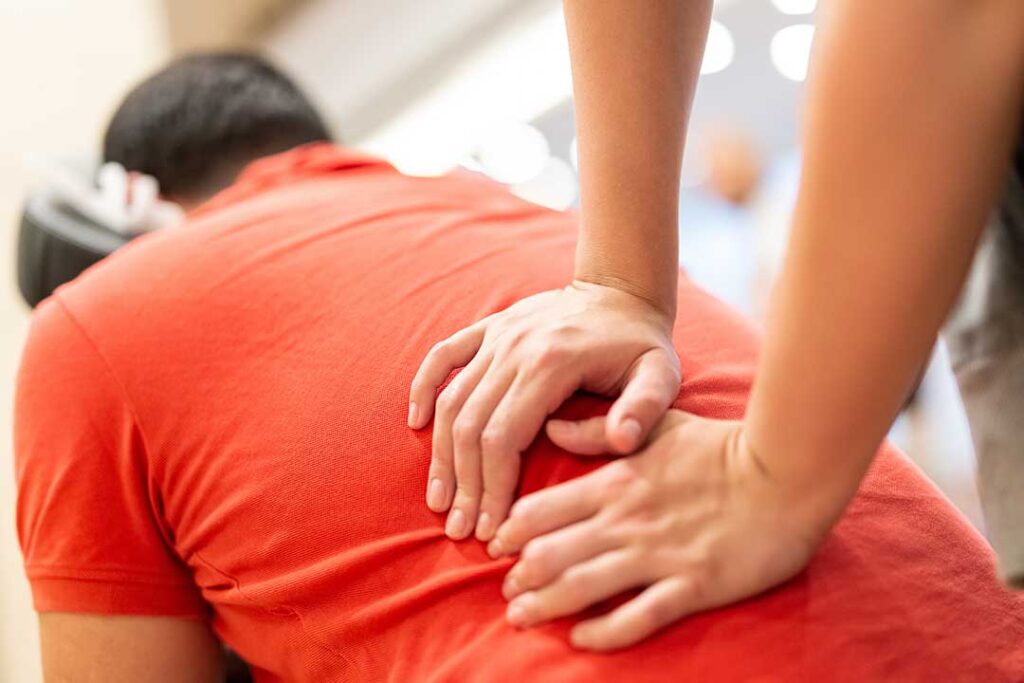
How Does Carrying a Heavy Backpack Affect Local Children’s Health?
Carrying an overly heavy backpack places physical stress on children’s developing bodies, potentially leading to discomfort and ongoing issues. In Saugerties, where children may walk to school or wait at rural bus stops, backpack weight becomes an especially relevant concern.
What Health Problems Are Linked to Heavy Backpacks?
Overloaded backpacks can contribute to:
- Back and neck pain
- Poor posture or slumping shoulders
- Strains of muscles in the shoulders and upper back
- Tingling or numbness from nerve pressure in arms or hands
- Headaches from chronic muscle tension
Local families often notice children complaining of soreness at the end of the school day, or see them leaning forward to balance their pack’s load. These signs may indicate excessive strain.
Why Are Saugerties Children Susceptible to Backpack-Related Injuries?
Children living in Saugerties, with its mix of rural and suburban neighborhoods, frequently have longer walks to bus stops or carry more items for after-school activities. Seasonal weather adds weight in the form of extra clothing, water bottles, or sports gear—often without opportunities to lighten the load during the day.
How Heavy Is Too Heavy for a Backpack?
A clear guideline often cited by health professionals is that a child’s backpack should not weigh more than 10-15% of their body weight. For example, a 70-pound child’s backpack should be under 10 pounds. If children in the community are carrying more than this—sometimes half their body weight—the risk of soreness or injury increases.
Practical Check:
Families in Saugerties can use a bathroom scale at home. Weigh the full backpack and compare it to the child’s weight. Exceeding the recommended percentage is common, especially after factoring in Chromebooks, winter gear, and lunch boxes.
Which Backpack Habits Create Problems?
Some habits increase the risk of injuries:
- Slinging a pack over one shoulder versus using both straps evenly
- Wearing the backpack low on the back, causing the body to lean forward
- Overstuffing with unnecessary items that could be left at home
Even a good-quality backpack can cause problems if not used correctly.
What Are Signs My Child Is Struggling With Backpack Weight?
Parents and caregivers should look for these indications:
- Complaints about pain in the shoulders, back, or neck
- Marks from straps on the shoulders after the backpack is removed
- Noticeable changes in posture or awkward walking
- Difficulty putting on or taking off the backpack without help

Left unaddressed, these minor aches can lead to habitual poor posture or chronic back issues throughout adolescence.
How Can Families in Saugerties Help Prevent Backpack-Related Pain?
Simple steps can reduce health risks:
- Choose a backpack with two wide, padded shoulder straps and a waist belt
- Encourage emptying out excess items each night—especially library books, sports gear, or devices not needed the next day
- Adjust the backpack so it sits close to the body, not drooping below the waist
- Use both shoulder straps and tighten them so the pack sits snugly
- Talk with schools about lighter alternatives or permission to leave some items in lockers
Clothing appropriate for Saugerties’ changing seasons can also help, as breathable, layered outfits may reduce the need to stuff unworn jackets in a backpack.
Are There Misconceptions About Backpack Safety?
Many believe that expensive, ergonomic backpacks solve weight-related problems by themselves. In reality, proper packing, regular cleaning out, and correct wearing are even more important than specific brands or advanced features. Some parents also assume children will naturally say something if their backpack is too heavy, but children often adjust or ignore discomfort until pain is worse.
What If My Child Has Ongoing Discomfort Despite Adjustments?
If soreness, tingling, or postural changes persist—even after reducing the backpack’s weight and improving how it’s carried—further evaluation may be needed. While most muscle aches can be addressed at home, pain that continues for more than a few days, or symptoms that limit participation in activities, may indicate a need for consultation with a pediatrician or healthcare provider.
