
 See Our Latest Article on HelloNation
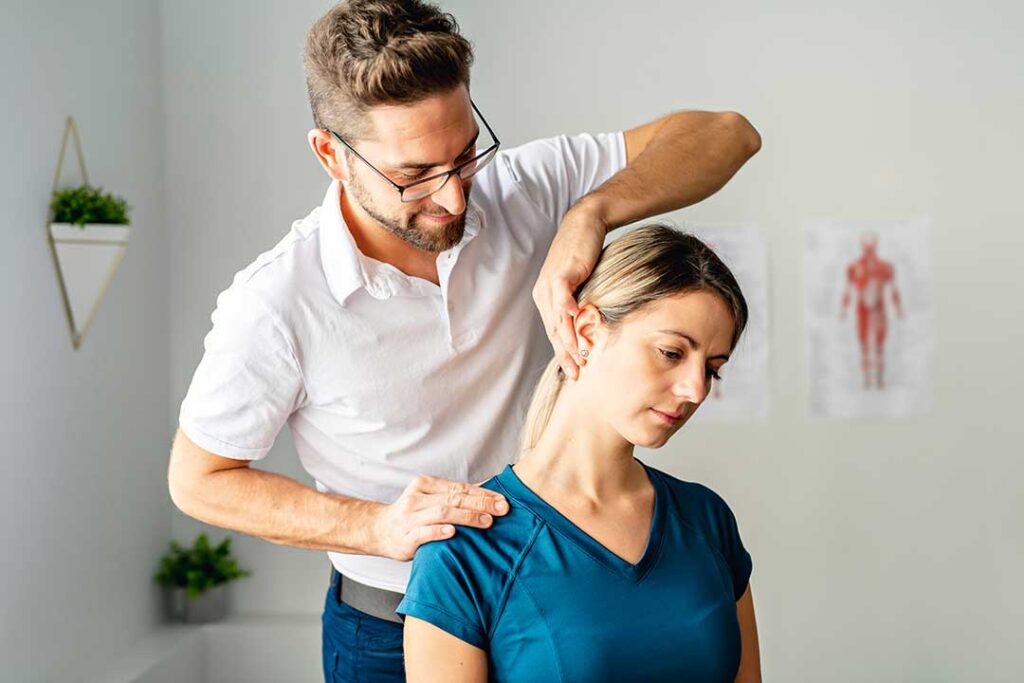
Whether you're heading out for a weekend getaway to the Catskills, visiting family across the state, or embarking on a long-awaited vacation, traveling can take a surprising toll on your lower back. As a trusted chiropractor serving Saugerties, NY, I know how much our local lifestyle depends on being able to move comfortably, enjoy the great outdoors, and participate in community events without being sidelined by pain. Let’s explore effective ways to prevent lower back pain during travel, so you can make the most of your journey and your time in beautiful Saugerties.
Why Travel Affects Your Lower Back
The act of traveling—whether by car, bus, train, or plane—often means long periods of sitting and limited movement. This static posture puts added stress on the lumbar spine, hips, and supporting musculature. Over time, this strain can trigger discomfort, stiffness, or even acute lower back pain. In Saugerties, where residents value hiking at Overlook Mountain or strolling through local festivals, lower back pain can put a real damper on your adventures.
Pre-Trip Planning: Setting Yourself Up for Comfort
Before you even leave Saugerties, there are steps you can take to minimize your risk of back pain during travel:
- Pack Smart: Avoid heavy, unbalanced luggage. Use rolling suitcases or backpacks with padded straps, and distribute weight evenly.
- Choose Supportive Footwear: Comfortable shoes with arch support are important—they’ll help maintain your alignment whether you’re exploring the Saugerties Lighthouse or trekking through airports.
- Prepare Your Seat: If you’re traveling by car, adjust your seat to support your lower back and position it so your knees are level with, or slightly higher than, your hips.
Strategies for Road Trips from Saugerties
Many Saugerties residents enjoy scenic drives along the Hudson Valley or weekend trips to nearby villages. Here’s how to keep your back happy on the road:
- Take Frequent Breaks: Aim for a 5-10 minute break every hour. Use this time to stretch, walk, or even perform gentle back exercises.
- Use Lumbar Support: Small travel pillows, rolled towels, or specialized cushions can help maintain the natural curve of your spine.
- Switch Drivers When Possible: If you’re road-tripping with family or friends, share driving duties to give your body a rest.
Air and Train Travel: Staying Comfortable in a Confined Space
Public transportation has its own set of challenges for your lower back:
- Board Early, Choose Wisely: Early boarding allows you to select seats that offer more space or easy access for standing and stretching.
- Move and Stretch Frequently: Stand up, stretch, and walk the aisle periodically. Even ankle rolls or seated twists can reduce muscle tension.
- Keep Your Essentials Handy: Store items you might need (like a water bottle or a lumbar pillow) under your seat so you don’t have to twist and reach awkwardly.
Simple Back Stretches for Busy Travelers
Staying mobile is key to preventing stiffness and discomfort during travel. These stretches can be done almost anywhere—whether waiting at the Kingston-Rhinecliff Bridge rest stop or taking in the scenery at a Catskills overlook:
- Seated Knee-to-Chest Stretch: While seated, gently hug one knee up towards your chest and hold for 15-20 seconds. Repeat on the other side.
- Standing Forward Bend: Stand tall, then slowly fold forward from the hips, letting your arms hang loosely. This relieves tension in the lower back and hamstrings.
- Gentle Torso Twists: While sitting or standing, softly rotate your upper body to one side, hold briefly, and repeat on the other side.

Hydration and Nutrition on the Go
Staying hydrated is often overlooked but is crucial for spinal health. Water helps keep your spinal discs supple, which is particularly important during long stretches of sitting. Avoid excessive caffeine or alcohol, which can lead to dehydration and muscle cramping. Snack smart—choose fruits, nuts, or protein bars over heavy, processed foods that can contribute to inflammation and stiffness.
Mindful Movements and Posture Reminders
Saugerties locals know the importance of staying active. Even when travel limits your movement, being mindful of your posture can make a significant difference:
- Keep your feet flat on the floor. Crossed legs can tilt the pelvis and strain the spine.
- Engage your core muscles—think about gently tightening your abdominal muscles to support your lower back.
- Align your back with the seat. Avoid slouching or leaning off to one side.
What to Do When Back Pain Strikes
Sometimes, despite our best efforts, lower back pain still happens. If discomfort starts during your travels, try these steps:
- Apply a cold pack (or even a cold water bottle) to ease inflammation.
- Do gentle stretches or walk a bit to relieve stiffness.
- Listen to your body— don’t push through sharp or severe pain.
If pain persists after your trip, make an appointment with a local chiropractor. Early intervention can speed recovery and help keep you ready for future adventures—whether that means a day at Saugerties Farmers Market or hiking the nearby trails.
Saugerties Lifestyle: Stay Active After Your Journey
Once home, take advantage of all that Saugerties and the Hudson Valley offer. Walking along Main Street, kayaking on Esopus Creek, or cycling the Ashokan Rail Trail are excellent ways to keep your back healthy and strong. Regular chiropractic care can also be beneficial in maintaining spinal health and preventing new issues from taking root.
Conclusion
Lower back pain doesn’t have to be part of your travel experience. With a little planning and some simple strategies, you can prevent most issues before they start and enjoy all the sights, sounds, and sensations that travel (and Saugerties) has to offer. By taking care of your back on the road, you’ll return home ready to make the most of every opportunity—pain free.
