
 See Our Latest Article on HelloNation
Moving well throughout the day does not require an intense workout routine. For residents of Saugerties, NY, healthy movement often comes from simple choices: changing position regularly, walking safely in different weather, lifting household items with care, and noticing early signs of strain.
The goal is not to maintain perfect posture or avoid every ache. It is to give the body frequent opportunities to move, recover, and adjust.
Why does movement throughout the day matter?
Regular movement helps prevent the stiffness that can develop after long periods of sitting, standing, driving, or repetitive work. It also supports balance, joint mobility, muscle endurance, and circulation.
A single exercise session may be beneficial, but it does not completely offset many hours spent in one position. A person who exercises in the morning may still feel tight if the rest of the day involves prolonged computer use, household chores, or driving.
Healthy movement can include:
- Walking through the house between tasks
- Stretching gently after sitting
- Changing from sitting to standing
- Taking the longer route across a building or parking area
- Carrying groceries with balanced weight
- Performing ordinary tasks with controlled, comfortable motion
The most useful routine is usually one that can be repeated consistently without causing pain or exhaustion.
How often should someone change position?
Changing position every 30 to 60 minutes is a practical general guideline, especially during desk work, reading, television viewing, or driving. The exact timing matters less than avoiding long, uninterrupted periods of stillness.
A brief movement break can last one to three minutes. Stand up, walk around, roll the shoulders, or gently bend and straighten the knees. These short pauses may be easier to maintain than waiting until the body feels very stiff.
For computer or desk work, consider alternating among:
- Sitting with both feet supported
- Standing for part of a task
- Walking while listening to audio
- Using a nearby surface for a brief standing break
- Looking away from the screen and moving the neck gently
Movement should feel easy rather than forced. Repeatedly stretching into sharp pain or numbness is not a useful break.
What is a healthier way to sit?
Healthy sitting is less about finding one perfect position and more about changing positions before discomfort builds. Keep the feet supported when possible, allow the knees and hips to remain comfortable, and avoid leaning to one side for long periods.
The screen should be positioned so the head does not have to remain tipped sharply downward. A chair should provide enough support for ordinary tasks, but even a well-designed chair cannot replace regular movement.
Common habits that increase strain include:
- Sitting on one leg for extended periods
- Slouching toward a phone or tablet
- Holding the shoulders raised while typing
- Keeping a wallet or bulky object in a back pocket while seated
- Twisting repeatedly to reach items placed behind the body
For longer drives, adjust the seat before leaving and take opportunities to stand and walk during extended trips. On winter days, allow extra time for safe entry and exit from vehicles rather than rushing over slippery surfaces.
How can walking become part of a normal day?
Walking is one of the simplest forms of full-body movement because it uses the feet, legs, hips, trunk, and arms together. It does not need to be fast to be useful.
Try attaching brief walks to activities that already occur:
- Walk for a few minutes after a meal
- Take a short indoor route during a work break
- Park farther away when conditions are safe
- Walk around the house while organizing or making phone calls
- Add a brief evening walk when daylight and footing permit
Local weather can affect walking habits. Snow, ice, wet leaves, mud, and uneven ground require slower steps and more attention to footing. Shoes with secure soles can help, but no footwear eliminates the need to watch the walking surface. When conditions are poor, indoor walking and gentle mobility exercises are reasonable alternatives.
What should people know about lifting and carrying?
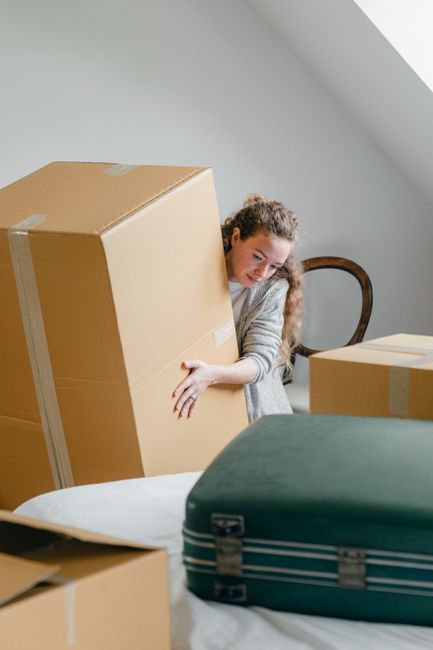
Most everyday lifting problems occur when an object is heavier, farther away, or more awkward than expected. Before lifting, check the path, estimate the weight, and move the object closer to the body.
A safer approach includes:
- Stand near the item with feet positioned for balance
- Bend through the hips and knees as comfortable
- Keep the load close rather than reaching forward
- Lift smoothly instead of jerking
- Turn by moving the feet rather than twisting the trunk
- Divide a heavy load into smaller portions when possible
Carrying uneven bags, laundry baskets, firewood, or outdoor tools can place extra demand on one side of the body. Switching sides periodically and using both hands when practical may reduce repetitive strain.
If an object is too heavy or unstable to manage safely, asking for assistance is a sensible safety decision, not a sign of weakness.
Which stretches are useful during the day?
Gentle mobility is often more appropriate during the day than long, forceful stretching. Comfortable movements may include shoulder rolls, ankle circles, slow marching in place, and easy rotation of the upper back.
A stretch should create mild tension, not sharp pain, burning, electric sensations, or increasing numbness. Hold a comfortable position briefly, breathe normally, and return to a neutral position without bouncing.
People who spend much of the day seated may benefit from moving the ankles, extending the legs, opening the chest, and gently turning the head from side to side. People who stand for long periods may need opportunities to sit, walk, or shift weight rather than simply stretching the same areas repeatedly.
How can households make movement easier?
The layout of a home can either encourage movement or create repeated awkward reaching. Frequently used items should be stored where they can be reached without excessive bending, twisting, or overhead lifting.
Practical adjustments include:
- Keep pathways clear, especially during winter
- Use adequate lighting on stairs and entrances
- Place commonly used supplies between knee and shoulder height
- Avoid carrying too many items at once
- Use handrails on stairs and move deliberately when floors are wet
- Alternate household tasks so the same joints and muscles are not used continuously
Gardening, maintenance, and seasonal cleanup can be physically demanding. Break larger projects into shorter periods, change tasks regularly, and avoid working through growing pain or fatigue.
When should pain be evaluated?
Mild soreness after unfamiliar activity may improve with rest, gentle movement, and a gradual return to normal tasks. Pain that is severe, worsening, persistent, or associated with weakness, numbness, loss of coordination, fever, or a recent significant injury deserves medical evaluation.
Urgent care is appropriate for symptoms such as sudden loss of strength, new loss of bladder or bowel control, serious trauma, chest pain, or difficulty breathing.
Healthy movement should support daily life, not require pushing through warning signs. Paying attention early can help distinguish ordinary stiffness from a problem that needs further assessment.
