
 See Our Latest Article on HelloNation

Back pain is common, but many widely repeated beliefs about it are incomplete or misleading. For residents of Saugerties, NY, understanding what usually helps—and what can make symptoms worse—can make it easier to respond calmly and safely.
Most uncomplicated low back pain improves with time and appropriate movement. However, symptoms that involve serious injury, infection, progressive nerve problems, or changes in bladder or bowel control require prompt medical evaluation. ([who.int](https://www.who.int/news-room/fact-sheets/detail/low-back-pain?utm_source=openai))
Myth: Back pain always means something is seriously damaged
Usually, it does not. About 90% of low back pain is considered “non-specific,” meaning no single structural problem fully explains the symptoms. Pain can arise from irritated muscles, joints, connective tissues, nerves, sleep disruption, stress, reduced conditioning, or a combination of factors. ([who.int](https://www.who.int/news-room/fact-sheets/detail/low-back-pain?utm_source=openai))
A painful back can feel alarming, particularly after lifting, shoveling, gardening, or slipping on an icy surface. Pain intensity does not always match the amount of tissue damage. A severe muscle spasm may be extremely painful without representing a dangerous injury.
That does not mean pain should be ignored. A fall, vehicle collision, known osteoporosis, fever, unexplained weight loss, history of cancer, or rapidly worsening symptoms changes the level of concern.
Myth: Staying in bed is the fastest way to heal
Extended bed rest is generally not recommended for ordinary acute back pain. Remaining still for a brief period may be necessary when movement is initially difficult, but prolonged inactivity can increase stiffness, reduce strength, disrupt sleep, and make returning to normal activities harder. Guidelines generally encourage continuing safe daily movement as tolerated. ([pmc.ncbi.nlm.nih.gov](https://pmc.ncbi.nlm.nih.gov/articles/PMC7839780/?utm_source=openai))
“Stay active” does not mean pushing through sharp or escalating pain. It may mean taking short walks around the house, changing positions regularly, doing gentle range-of-motion movements, or temporarily modifying tasks.
During winter weather, a person may need to pause snow-related work, avoid twisting while carrying loads, and divide heavier chores into smaller periods. The goal is controlled movement—not complete rest and not forced exertion.
Myth: An MRI or X-ray will always show the cause
Imaging can be useful, but it is not automatically helpful for every episode of back pain. In uncomplicated acute low back pain without warning signs, routine imaging usually does not improve outcomes and may reveal age-related changes that are unrelated to the person’s symptoms. ([pubmed.ncbi.nlm.nih.gov](https://pubmed.ncbi.nlm.nih.gov/34794594/?utm_source=openai))
Disc bulges, arthritis, and other changes are common in people who have no pain. Seeing these findings can create unnecessary fear or lead someone to avoid movement because the spine appears “damaged.”
Imaging becomes more appropriate when there is a serious or progressive neurological deficit, concern about fracture, infection, cancer, cauda equina syndrome, or symptoms that do not improve after an appropriate period of conservative care. The decision should be based on the examination, medical history, and whether the result would change treatment. ([pubmed.ncbi.nlm.nih.gov](https://pubmed.ncbi.nlm.nih.gov/34794594/?utm_source=openai))
Myth: A “slipped disc” means the spine has come out of place
A disc does not usually slip completely out of the spine. The phrase commonly refers to a disc bulge or herniation, in which disc material extends beyond its usual boundary.
A disc finding may cause no symptoms at all. When it does irritate a nerve, symptoms may include pain traveling into the buttock or leg, tingling, numbness, or weakness. Back pain alone does not prove that a disc is the cause.
Symptoms should be interpreted alongside a neurological examination. New or worsening weakness, loss of sensation in the inner thighs, difficulty urinating, or loss of bowel control requires urgent medical assessment.
Myth: Perfect posture prevents back pain
Posture can influence comfort, but there is no single ideal position that protects everyone from back pain. Holding any posture—whether sitting, standing, or bending—for a long time can become uncomfortable.
A better approach is to vary positions and build tolerance gradually. Helpful adjustments may include:
- Moving away from a seated position every 30 to 60 minutes.
- Keeping frequently used household items within comfortable reach.
- Using a work surface that allows relaxed shoulders and a neutral neck.
- Bringing loads close to the body before lifting.
- Turning with the feet instead of twisting while carrying something heavy.
For people working from home or spending long periods driving, regular position changes may matter more than trying to maintain rigid posture.
Myth: Exercise is dangerous once the back hurts
The right type and amount of exercise can support recovery. Evidence-based care commonly includes physical activity, strengthening, mobility work, and education about managing symptoms. For chronic low back pain, clinical guidance supports non-drug approaches such as exercise, rehabilitation, yoga, tai chi, mindfulness-based strategies, and spinal manipulation when appropriate. ([who.int](https://www.who.int/news-room/fact-sheets/detail/low-back-pain?utm_source=openai))
Exercise may need to be reduced or modified during a flare. Walking, gentle mobility, water-based activity, or simple strengthening may be more suitable than heavy lifting or high-impact activity at first.
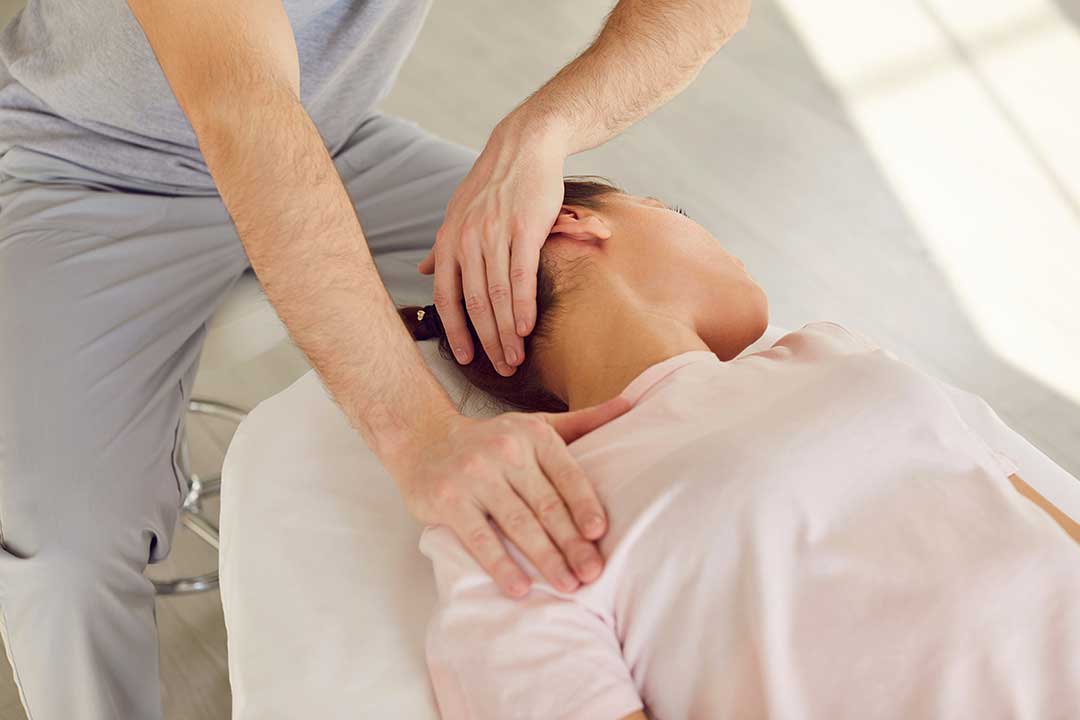
Pain during movement is not automatically proof of harm, but symptoms that steadily intensify, spread with numbness, or produce weakness should not be dismissed.
Myth: Pain means the back must be weak
Pain does not necessarily indicate weakness. A person can have strong back and leg muscles and still develop pain after an unfamiliar workload, poor sleep, illness, emotional stress, or a sudden increase in activity.
Conversely, reduced strength can contribute to difficulty with lifting, climbing stairs, or prolonged standing. Strength is only one part of the picture. Recovery may also involve improving endurance, balance, coordination, confidence with movement, and daily habits.
This is especially relevant during seasonal tasks such as yard work, home maintenance, and snow removal. A task that seems manageable for a few minutes can become strenuous when repeated for an hour after months of lower activity.
Myth: Medication is the only practical treatment
Medication may reduce symptoms for some people, but it is not the only option and may not be appropriate for everyone. Non-drug care can include heat, activity modification, exercise, education, manual therapies, and strategies for improving sleep and stress management. The American College of Physicians recommends non-drug therapies as initial options for many cases of acute, subacute, and chronic non-radicular low back pain. ([acponline.org](https://www.acponline.org/acp-newsroom/american-college-of-physicians-issues-guideline-for-treating-nonradicular-low-back-pain?utm_source=openai))
Over-the-counter pain relievers can carry risks, particularly for people with kidney disease, ulcers, blood-thinning medication, pregnancy, or other medical conditions. Medication choices should be discussed with a qualified healthcare professional when those risks apply.
Myth: All back pain can be handled at home
Many short-lived episodes can be managed with gentle activity, temporary task changes, and monitoring. Not every episode is harmless, however.
Prompt medical evaluation is warranted for back pain accompanied by:
- New loss of bladder or bowel control.
- Numbness around the groin or inner thighs.
- Progressive leg weakness or difficulty walking.
- Fever, chills, or signs of infection.
- Major trauma or a possible fracture.
- A history of cancer or unexplained weight loss.
- Severe pain that is rapidly worsening or unlike previous episodes.
For less urgent symptoms, persistent pain, recurring episodes, or pain that interferes with sleep and daily activities deserves a careful assessment rather than repeated self-treatment. The most useful approach is usually neither fear nor dismissal: stay as active as safely possible, pay attention to changes, and match the response to the pattern and severity of symptoms.
